Posts

Moulting in Cicada

Moulting of Cicada (Time Lapse) Exopterygota is the subclass of pterygote which includes Cicadas. They undergo incomplete/hemimetabolous type of metamorphosis, where nymphs gradually look like the adults with each succeeding molt. Cicada nymphs differentiate from adults in appearance. The nymphs are obviously wingless, strong forelegs (fossorial), tarsus with one claw and underdeveloped wing buds, while adults have long slender legs with two claws per tarsus. Xylem sap is the primary feed item for both nymphs and adults at the same time cicada nymphs are subterranean and feed from the roots of plants and adult cicadas live above ground and feed from trunks, branches and twigs of trees and shrubs . Cicada nymphs spend a minimum of 4 years underground (Callaham et al., 2000), where they pass through six instars (five moults) before emerging from the nymphal cast as adults . The final moult from nymph to adult cicada in the species in this study usually takes several hours at ni...

Lady Beetles are not Ladies !

Image
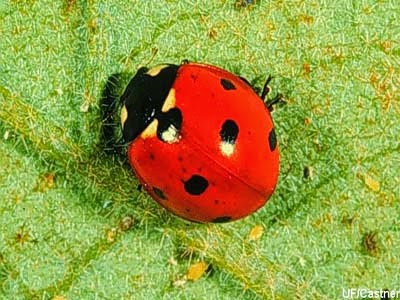
Coleoptera is the most diverse order of insects which include beetles. Coccinellidae is one such family consists of the beneficial beetles known as lady bird beetles. But their name dosen't indicate that these are ladies; they can be either male or female like other species. Determining sex of these beetles is not so difficult as the male is relatively short in size than female. In the case of these beatles; Often a question arise that how a specie reproduce and runs their generation if they are ladies !! There are other insects which are pathenogentic especially some are the diet of these lady bird beetles e.g. Aphids & mealybugs.  However, this is the whole different point but isn't it unreasonable to think that in a specie only female exists ? Its the name of this beetle which is creating all this confusion. So from where this name orginated ? In Middle Ages, Europeans named this as "beetle of our lady" because many pests particularly aphids, mealybugs had be...

Nature Gardeners : Beneficial Insects

Image
Our gardens are heaving with many creatures like insects, mites, spiders. To a new gardener every “bug” is a likely suspect and tried to tackle the odd. As we study more about gardening and that vague thing called “the balance of nature,” we discover that very few insects are pests worth our concern. Most are either beneficial, of no direct significance, or have a role yet to be understood fully. Lady Bird Beetle (Adult) The fraction that is pests get a lot of attention. A few stink bugs on a tomato plant or some hungry flea beetles on an eggplant seedling are indeed cause for concern. However, our efforts to control these pests can have a direct effect on the “good guys of the garden.” Most sprays, whether organic or synthetic, tend to not discriminate between pests and beneficials. When you spray the garden, pests will be killed but so will beneficial insects. When you kill a beneficial insect you inherit its job. That lady beetle larvae may be about to eat several dozen ...

Pest Free Vegetables

Image
Knowledge is power when it comes to controlling insect pests of vegetables, and one of the key sources of knowledge is pest monitoring. Pest monitoring, or scouting, allows you to determine when pests arrive in your vegetables, which species are present and how many there are. This information in turn allows you to determine if actions need to be taken to control pests and if these prevent enough damage to offset costs of control. By analogy, an army commander that knows when an enemy will attack, what types of weapons they have and their troop strength will be able to make intelligent decisions about if, when and how countermeasures will be effective. Just like armed forces use reconnaissance to get this information, you can use monitoring to keep track of insects attacking your vegetables. For some insect pests and life stages, including onion thrips, eggs of  Colorado potato beetles , caterpillars in cole crops  and squash bugs, the easiest way to track number...

Severe Winters & Astute Insects

Image
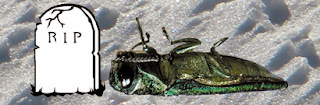
Recently with the record-breaking cold temperature in the World and especially in US, headlines in newspapers suggested that with this freezing temperature there will be fewer insects next spring. Like  National Public Radio:  “The Upside Of The Bitter Cold: It Kills Bugs That Kill Trees” The New York Times :  “Celebrating Deep Freeze, Insect Experts See a Chance to Kill Off Invasive Species” Minnesota Public Radio News:  “Extreme cold may wipe out high percentage emerald ash borer larvae”

New insecticide approved by EPA for growing Cereals

Image
Prevathon  ( Rynaxypyr ) has received  registration for use on cereal crops, including wheat, sorghum and  most other small grains from U.S. Environmental Protection Agency (EPA) . Prevathon was first registered in 2011 for use on cotton, corn, pasture and hay crops, including alfalfa. Since then, in farm fields and research trials, Prevathon has demonstrated superior protection against a broad range of yield-robbing insects for many commercially grown crops including soybeans and sunflower. Prevathon provides control against lepidopteran worms, such as fall armyworm, true armyworm, corn earworm, sorghum webworm and loopers as well . “Many of the worm pests that attack corn, soybeans, cotton and pastures or hay fields also attack sorghum and small grains. As these pests move from field to field and from one crop to another, Prevathon adds flexibility to a grower’s integrated pest management program while helping to protect developing crops.” In addition to off...

Why an Insect Molts ?

Image
Insect molts when it want to grow. Insects grow in increments; in fact, all arthropods do. Each stage of growth ends with molting, the process of shedding and replacing the rigid exoskeleton. People often think molting is the simple act of an insect breaking out of its skin and leaving it behind. In truth, it's a complex process involving hormones, proteins, and enzymes. When Molting Occurs: Insect growth occurs in the stage immediate following egg hatch. As the immature insect feeds and grows, its exoskeleton remains an inflexible container. Eventually, the larva or nymph must shed this unyielding overcoat to continue its development. Without the exoskeleton for protection and support, the insect could not survive. The old exoskeleton cannot be shed until a new one is ready underneath, a process that takes days or even weeks. The Molting Process: When there is no more room for the insect to expand inside its exoskeleton, a hormone triggers molting. The exoskeleton...